Eastern Kurdistan / Artist Opens Music Classroom for Kurdish Women in Mahabad
Artist Opens Music Classroom for Kurdish Women in Mahabad
Related News
KDP and PUK Set to Resume Government Formation Talks Next Week
Russia Bans Human Rights Watch as Crackdown on Foreign Organizations Deepens
Teacher Blends Kurdish and English Lessons for Children in Iran’s Mahabad
Afrin cultural festival opens in Bonn, showcasing Kurdish art and creativity
Artist Opens Music Classroom for Kurdish Women in Mahabad
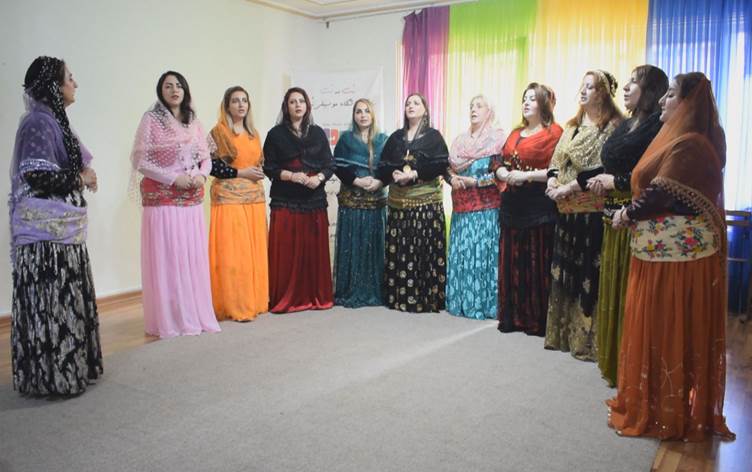
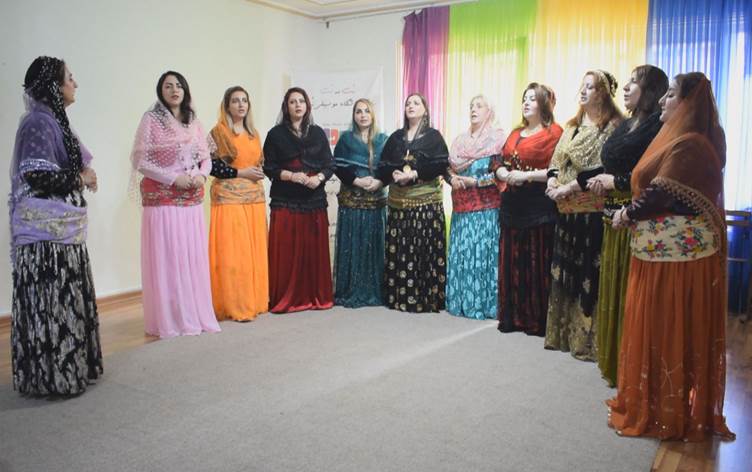
A Kurdish artist has opened a music classroom for women in Mahabad, a western Iranian city with a predominantly Kurdish population, aiming to empower women affected by unemployment and long periods of confinement at home.
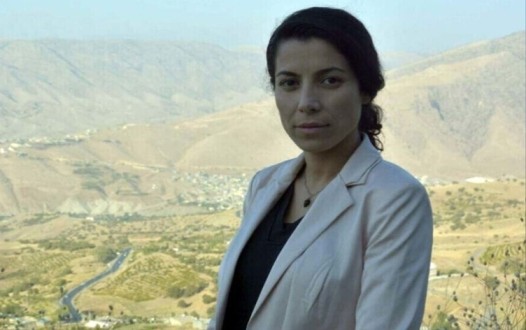
The initiative is led by Trifa Amiri, head of the Mahabad Harmony Music School, who said the project is designed to go beyond music education and create a space for social engagement and cultural revival.
“We tried to bring mothers and sisters here instead of having them sit at home with unused free time,” Amiri said. “We have organized a beautiful workshop, but our goal is much bigger than the workshop itself. We want to involve women from across the Mukryan region and encourage them to join us.”
Preserving Kurdish Culture Through Music
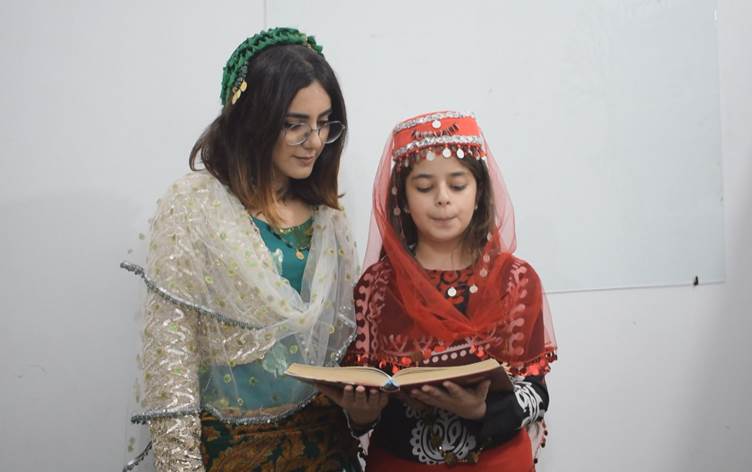
In addition to teaching musical skills, the program introduces participants to Kurdish musical heritage, history, authenticity, and traditional Kurdish clothing. The classroom operates under the name Music Note Workshop.
Participant Maryam Jawan said the workshop has had a positive impact beyond the classroom.
“I would like to express my gratitude to the Music Note Workshop and its organizer, Trifa Amiri, for giving us this opportunity,” she said. “It has even encouraged us to teach our children Kurdish songs at home and sing them together.”
Plans for Expansion
Amiri said she hopes to expand the initiative to other Kurdish cities and is currently working on opening a similar classroom in the nearby city of Bokan.
Another participant, Afsana Yabq, said the workshop has helped deepen her understanding of Kurdish music.
“I am very pleased to have taken part in this workshop,” she said. “Here, we are taught how to read musical notes and sing Kurdish folk songs. We also learn about music ethics.”
Challenges Facing Kurdish Music in Iran
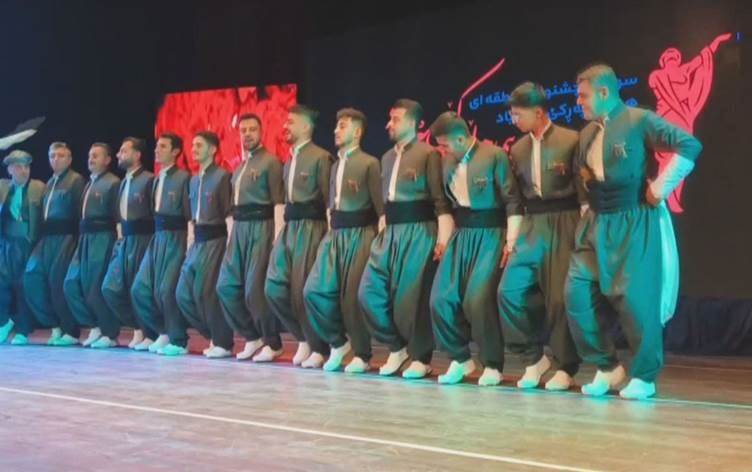
Several Kurdish music schools operate across Iran’s Kurdish regions (Rojhelat), focusing on preserving original Kurdish music and involving men, women, and children.
However, Iranian authorities frequently impose restrictions on public musical performances, particularly those involving women singing or playing instruments, which are prohibited under Islamic law. Instruments are often confiscated, and performers may face accusations of undermining Islamic values.
Street artists regularly perform under pressure and fear of repercussions, while even government-approved concerts are held under strict conditions and have at times been abruptly shut down. In some cases, authorities have revoked performance permits issued by the Ministry of Culture and Islamic Guidance.