Western Kurdistan / Aleppo’s Kurdish-Majority Neighborhoods Face Humanitarian Crisis Amid Continued Siege
Aleppo’s Kurdish-Majority Neighborhoods Face Humanitarian Crisis Amid Continued Siege

Aleppo’s Kurdish-Majority Neighborhoods Face Humanitarian Crisis Amid Continued Siege
Kurdish-majority neighborhoods in Syria’s northern city of Aleppo continue to face severe humanitarian challenges as they remain under siege imposed by Damascus and affiliated forces, local officials warned on Sunday.
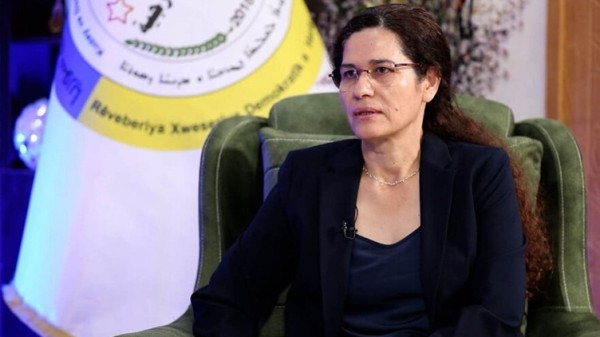
“The Kurdish-majority neighborhoods of Sheikh Maqsoud and Ashrafiyeh in Aleppo remain under siege,” Foza Alyusuf, a member of the leadership board of northeast Syria’s ruling Democratic Union Party (PYD), said in a post on X.
She added that “tens of thousands of children are suffering from the cold” due to factions affiliated with the Syrian interim government blocking fuel supplies from entering the neighborhoods.
Alyusuf warned that if the situation continues, it could lead to “a major humanitarian catastrophe.”
Clashes and Security Escalation
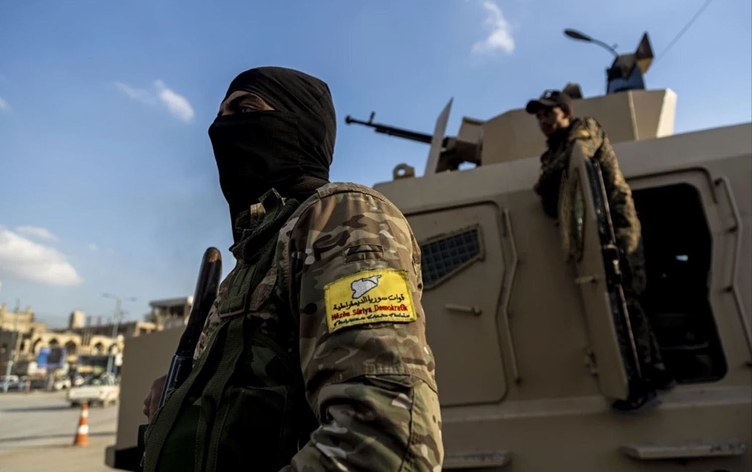
Since the collapse of the former Assad regime last year, Kurdish-led forces, who maintain security control over Sheikh Maqsoud and Ashrafiyeh, have clashed repeatedly with the new authorities in Damascus.
Recent clashes erupted on Monday between Kurdish Asayish forces, affiliated with the Syrian Democratic Forces (SDF), and Syrian government troops and allied factions, killing at least two people and injuring more than a dozen others.
Hevin Sulaiman, co-chair of the Neighborhood Council for Sheikh Maqsoud and Ashrafiyeh, told Rudaw that Syrian government forces and armed groups have surrounded the neighborhoods with heavy weapons and tanks.
She said the groups are attempting to empty the Kurdish areas through a “policy of starvation and intimidation.”
Blockade and Civilian Impact
Sulaiman said the situation has been “somewhat calm” following attacks on Friday, but warned that the threat remains.
“These affiliated gangs with the defense ministry of the Damascus government have been stationed around the neighborhoods for over four months,” she said.
She added that armed groups are also targeting public services.
“While municipal teams were trying to repair power lines and generators, they opened fire on the municipal vehicle,” Sulaiman said, calling the attacks deliberate provocations aimed at preventing stability.
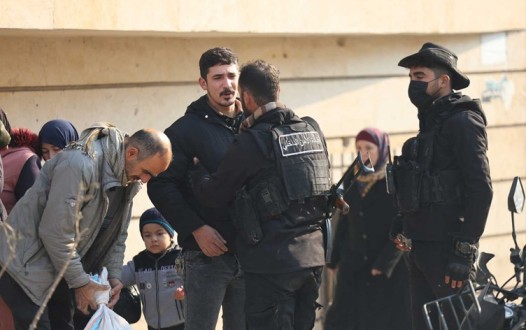
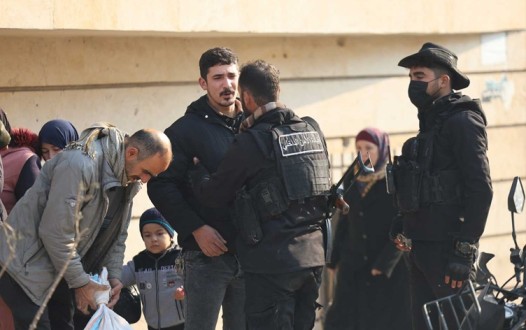
Movement restrictions remain severe, with roads closed to vehicles and residents only allowed to leave on foot.
“The biggest problem is preventing people from returning to their homes,” Sulaiman said, adding that residents are often stopped when attempting to return after buying bread or food.
Political Tensions and Ceasefire Challenges
Sulaiman linked the escalation to broader political efforts to undermine ceasefire agreements.
“These armed groups, including some Turkey-affiliated factions, want to destroy the ceasefire,” she said, adding that they oppose the March 10 agreement expected to be finalized in Damascus with international backing.
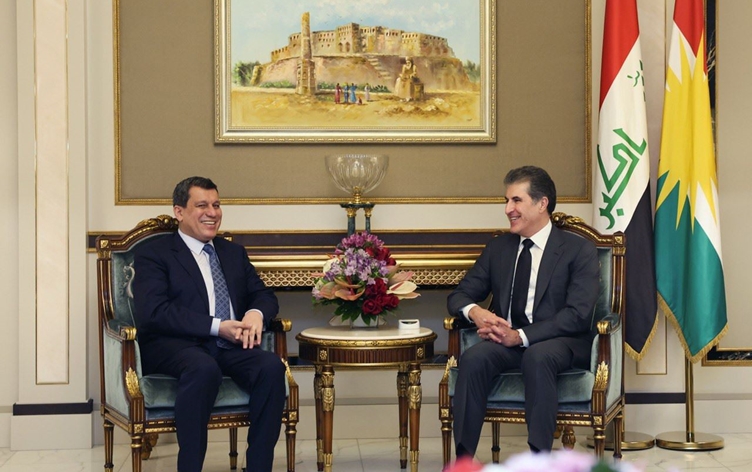
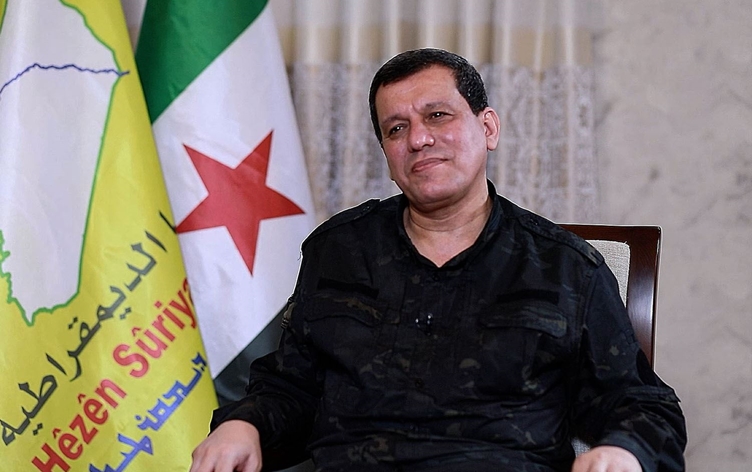
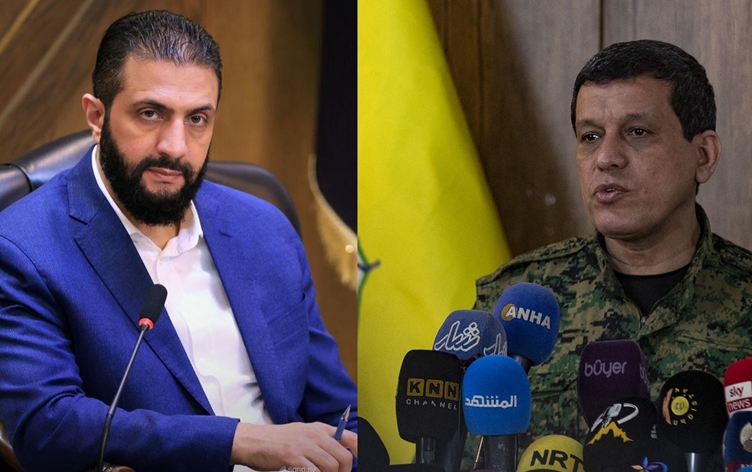
The escalation comes despite a landmark deal signed on March 10 between Syria’s interim President Ahmed al-Sharaa and SDF commander Mazloum Abdi, which called for the integration of Rojava’s civil and military institutions into the Syrian state and included a nationwide ceasefire.
A follow-up agreement signed in April, reportedly with US involvement, established a joint security framework for Sheikh Maqsoud and Ashrafiyeh and included provisions for prisoner exchanges.
Although SDF fighters withdrew from the neighborhoods as part of the agreement, local security forces remain in place. Despite this, sporadic clashes have continued.