Kurdistan Economy / PM Barzani Inaugurates Final Phase of $200 Million Water Project in Erbil
PM Barzani Inaugurates Final Phase of $200 Million Water Project in Erbil
- Date: 2025-12-10 - 23:53:00
PM Barzani Inaugurates Final Phase of $200 Million Water Project in Erbil
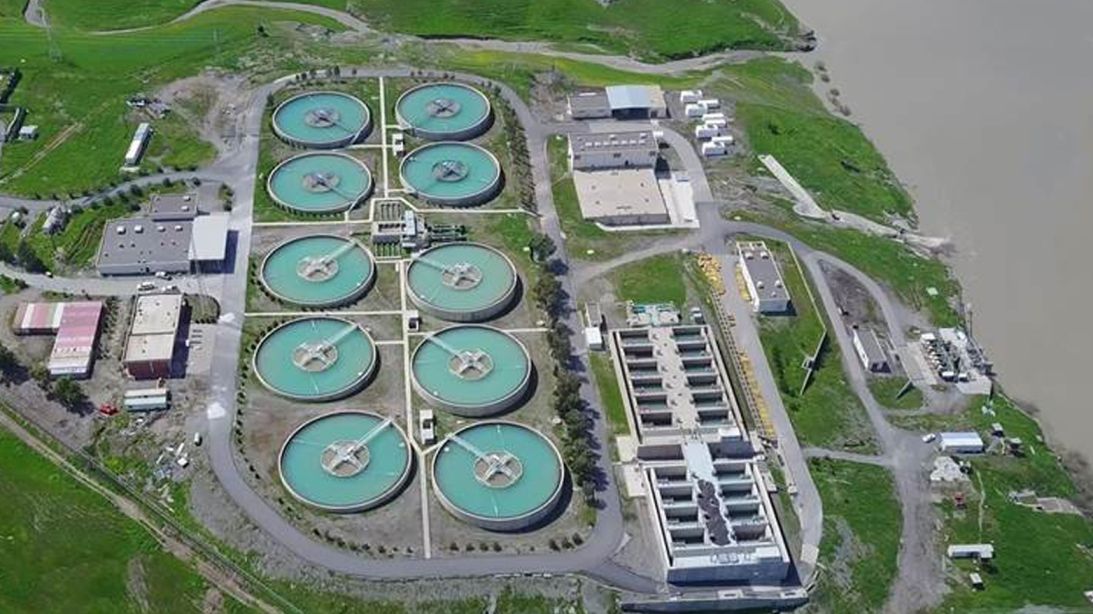
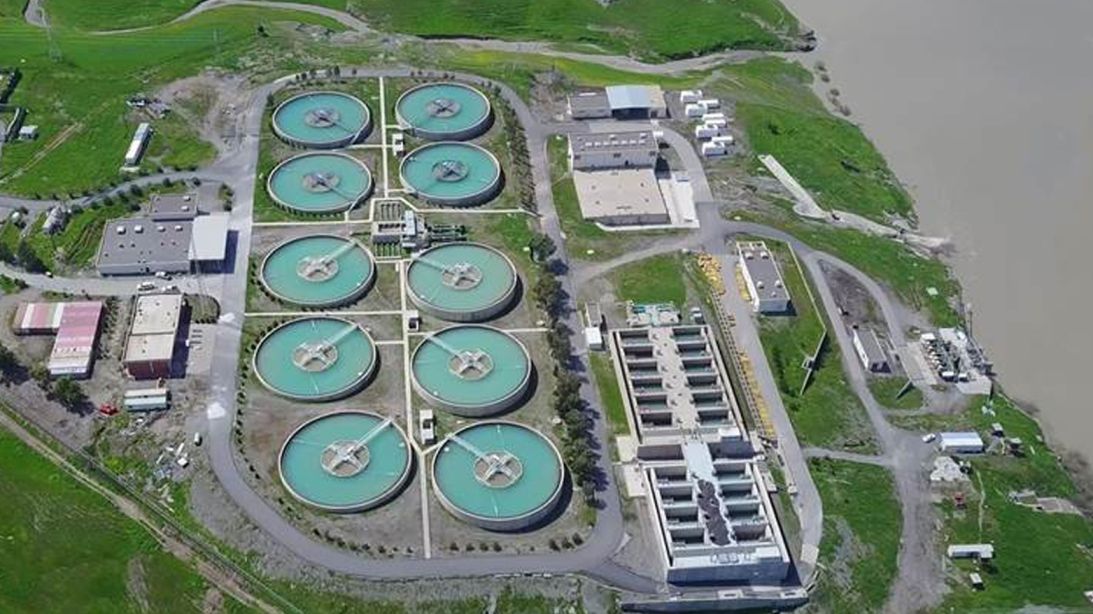
Kurdistan Region Prime Minister Masrour Barzani on Thursday inaugurated the second and final phase of Erbil’s $200-million emergency water project, a major infrastructure initiative expected to resolve the capital’s water shortages for the next 30 years.
The prime minister described the launch as a milestone for Erbil’s future. “This is the last phase of supplying water to Erbil. Today, we inaugurated it. This project will definitely serve the residents of Erbil and the entire Kurdistan Region in the best way possible. It has been implemented in a very advanced way,” he told reporters, noting that the work was completed in record time.
Barzani emphasized that the entire project was carried out by local expertise. “It was fully undertaken by our own manpower and implemented by a local company, Hemn Group,” he said, adding that advanced filtration and monitoring technologies were used to ensure high water quality.
The project will begin delivering water to Erbil neighborhoods starting in December.
A Long-Term Solution for Erbil’s Water Crisis
The Emergency Water Supply Project, also known as the Rapid Water Emergency Project, spans 40 residential areas across the capital — many of which have long depended on wells. Once the project becomes operational, those wells will be decommissioned.
Launched in September 2024, the facility is located on the Gwer–Erbil road and is designed to alleviate long-standing shortages, particularly in eastern districts. It also incorporates systems for recycling wastewater for agricultural and irrigation use over the next three decades.
“Erbil’s biggest problem has been resolved,” Erbil Governor Omed Xoshnaw said. “Today is one of the happiest days of my life.”
KRG Municipalities Minister Sasan Auni also hailed the initiative, saying, “The importance of this project is beyond description.”
Iraq Faces Deepening National Water Crisis
The milestone comes as Iraq battles one of its worst water crises in decades. The country consumes over 80 percent of its available supply and is ranked among the 25 most water-stressed nations globally, according to the World Resources Institute.
Iraq’s heavy reliance on the Tigris and Euphrates rivers has been undermined by large Turkish dam projects, including the Southeastern Anatolia Project (GAP), which have reduced river flows to less than 40 percent of historical levels. Years of low rainfall, rising temperatures, upstream restrictions, and chronic mismanagement have further intensified shortages.
Iraq–Turkey Sign Water Cooperation Mechanism
On Sunday, Iraq and Turkey signed an implementation mechanism for a Framework Water Cooperation Agreement aimed at delivering sustainable solutions to Iraq’s worsening crisis. Iraqi Prime Minister Mohammed Shia’ al-Sudani described the agreement as a crucial step forward, noting that it includes “major joint projects to be implemented in the water sector.”
On Monday, U.S. Special Envoy Mark Savaya congratulated Baghdad and Ankara on the signing, calling it an important move toward addressing long-standing water management challenges.